Dogs on Barnes Common

Walking your dog on the Common is great exercise for both owners and dogs, and contributes to improved wellbeing (human and canine). However, dogs will inevitably have an impact on the natural environment, and vice versa, and it’s up to us to minimise this impact and prevent any harm on both sides.   

With the increase of dog ownership over the past few years, we have seen an increased number of dogs walked in our small nature reserve. As with any other public space in Richmond Borough, dog walkers are legally obliged to pick up after their dog on the Common. This helps us keep people and wildlife safe, as well as preserving sensitive habitats on the Common by preventing extra nutrients altering their species composition. Our native and rare plants thrive on nutrient-poor soils such as our acid grassland, and adding extra nutrients from dog waste will lead to other, generalist flora move in and outcompete them. This risk to the environment was recognised by the government in 2021, leading to an update in the Countryside Code: dog walkers now have to pick up and bag dog poo, and deposit it in a bin or take it home.  

The Beverley Brook may look tempting for splashing about, especially in warm weather, but it’s important to be aware that its water is not designated as of bathing quality, nor is it monitored regularly. Its main water source is treated water from the Hogsmill sewage treatment plant. The water may look clear, but we receive reports from time to time that dogs and children, as well as adults, have become sick after exposure. 

There is another reason not to let your dog swim in London rivers such as the Beverley Brook. Dogs that have been treated with flea and worm medications pose an extra risk to our sensitive habitats. The powerful insecticides in these products will kill aquatic invertebrates when the dog gets into a pond or stream, and they will also kill terrestrial invertebrates that have been exposed to these dogs’ waste. In terms of harm to the environment, spot-on treatment liquid formulas are worse than tablets, because they need more frequent application, and more of the insecticide enters waterways (even by washing your dog at the groomers’). Flea collars are also similarly problematic if your dog likes swimming. 

Most dog owners and walkers are already aware but it’s good to remind everyone that dogs should not be allowed to disturb or chase wildlife. Disturbance can lead to birds abandoning their nests so their nestlings will starve. Dogs chasing or attacking wildlife can cause injuries and result in the death of animals (such as young birds or recently a young seal on the Thames bank). Please keep your dog under your control at all times and if they don’t have perfect recall, put them on a lead.  

References: 

https://www.richmond.gov.uk/dog_fouling 

https://barnescommon.org.uk/water-quality-caution-beverley-brook/ 

https://www.gov.uk/government/publications/the-countryside-code/the-countryside-code-advice-for-countryside-visitors#protect-the-environment 

https://www.imperial.ac.uk/news/243875/toxic-flea-tick-treatments-polluting-uk/ 

https://www.barnes-ca.org/dogs-birds-and-people

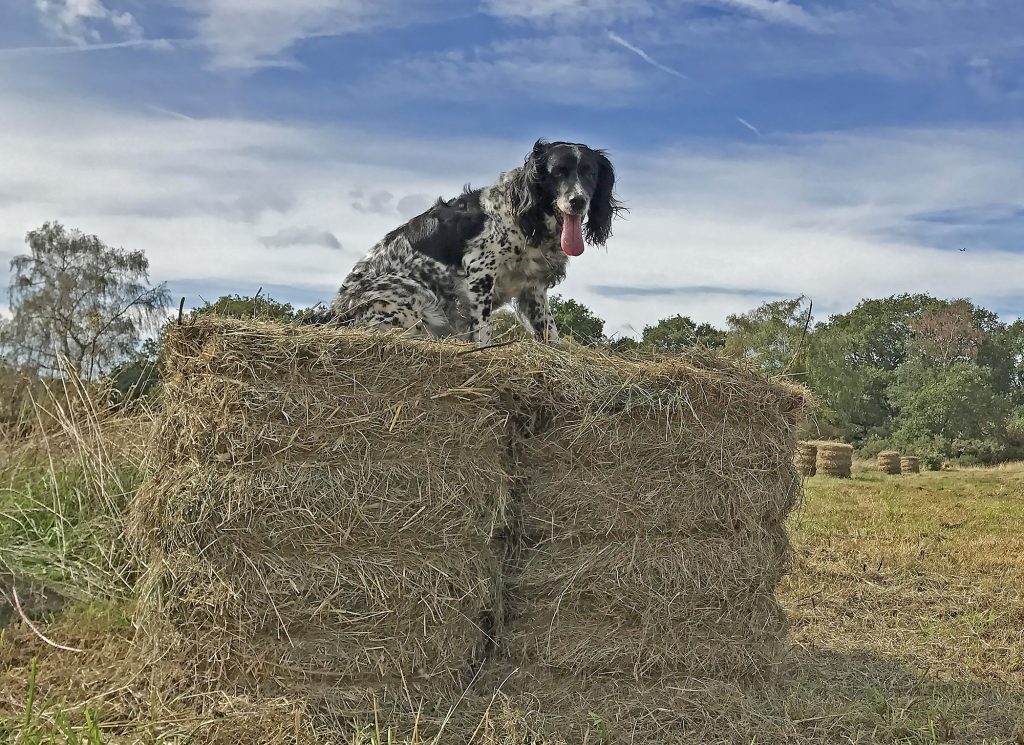
Photo of Josie by Andrew Wilson

Dogs on Barnes Common

Walking your dog on the Common is great exercise for both owners and dogs, and contributes to improved wellbeing (human and canine). However, dogs will inevitably have an impact on the natural environment, and vice versa, and it’s up to us to minimise this impact and prevent any harm on both sides.   

With the increase of dog ownership over the past few years, we have seen an increased number of dogs walked in our small nature reserve. As with any other public space in Richmond Borough, dog walkers are legally obliged to pick up after their dog on the Common. This helps us keep people and wildlife safe, as well as preserving sensitive habitats on the Common by preventing extra nutrients altering their species composition. Our native and rare plants thrive on nutrient-poor soils such as our acid grassland, and adding extra nutrients from dog waste will lead to other, generalist flora move in and outcompete them. This risk to the environment was recognised by the government in 2021, leading to an update in the Countryside Code: dog walkers now have to pick up and bag dog poo, and deposit it in a bin or take it home.  

The Beverley Brook may look tempting for splashing about, especially in warm weather, but it’s important to be aware that its water is not designated as of bathing quality, nor is it monitored regularly. Its main water source is treated water from the Hogsmill sewage treatment plant. The water may look clear, but we receive reports from time to time that dogs and children, as well as adults, have become sick after exposure. 

There is another reason not to let your dog swim in London rivers such as the Beverley Brook. Dogs that have been treated with flea and worm medications pose an extra risk to our sensitive habitats. The powerful insecticides in these products will kill aquatic invertebrates when the dog gets into a pond or stream, and they will also kill terrestrial invertebrates that have been exposed to these dogs’ waste. In terms of harm to the environment, spot-on treatment liquid formulas are worse than tablets, because they need more frequent application, and more of the insecticide enters waterways (even by washing your dog at the groomers’). Flea collars are also similarly problematic if your dog likes swimming. 

Most dog owners and walkers are already aware but it’s good to remind everyone that dogs should not be allowed to disturb or chase wildlife. Disturbance can lead to birds abandoning their nests so their nestlings will starve. Dogs chasing or attacking wildlife can cause injuries and result in the death of animals (such as young birds or recently a young seal on the Thames bank). Please keep your dog under your control at all times and if they don’t have perfect recall, put them on a lead.  

References: 

https://www.richmond.gov.uk/dog_fouling 

https://barnescommon.org.uk/water-quality-caution-beverley-brook/ 

https://www.gov.uk/government/publications/the-countryside-code/the-countryside-code-advice-for-countryside-visitors#protect-the-environment 

https://www.imperial.ac.uk/news/243875/toxic-flea-tick-treatments-polluting-uk/ 

https://www.barnes-ca.org/dogs-birds-and-people

Photo of Josie by Andrew Wilson

Acid Grassland

Barnes Common Big Annual Litter Pick

The Common

Water Quality Caution – Beverley Brook