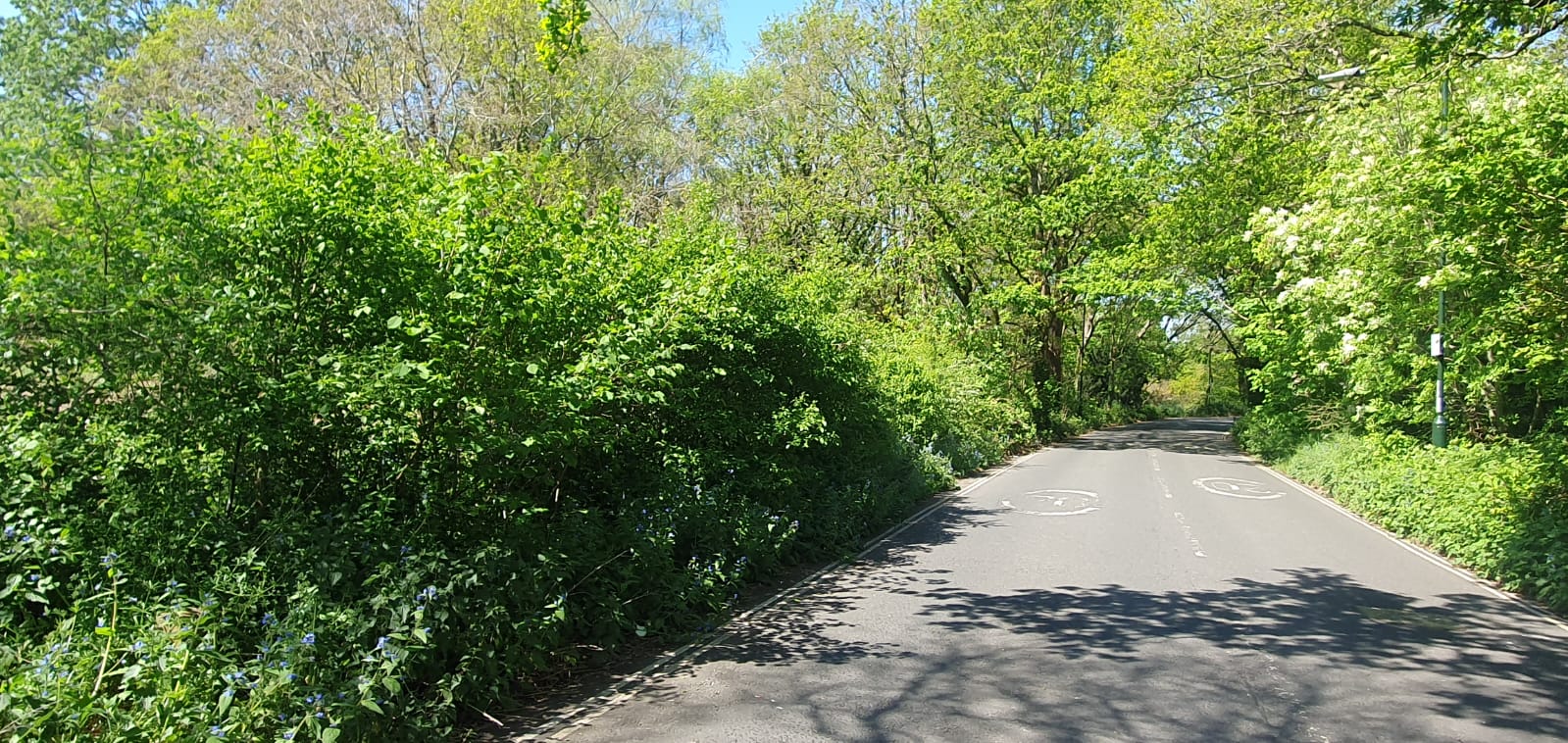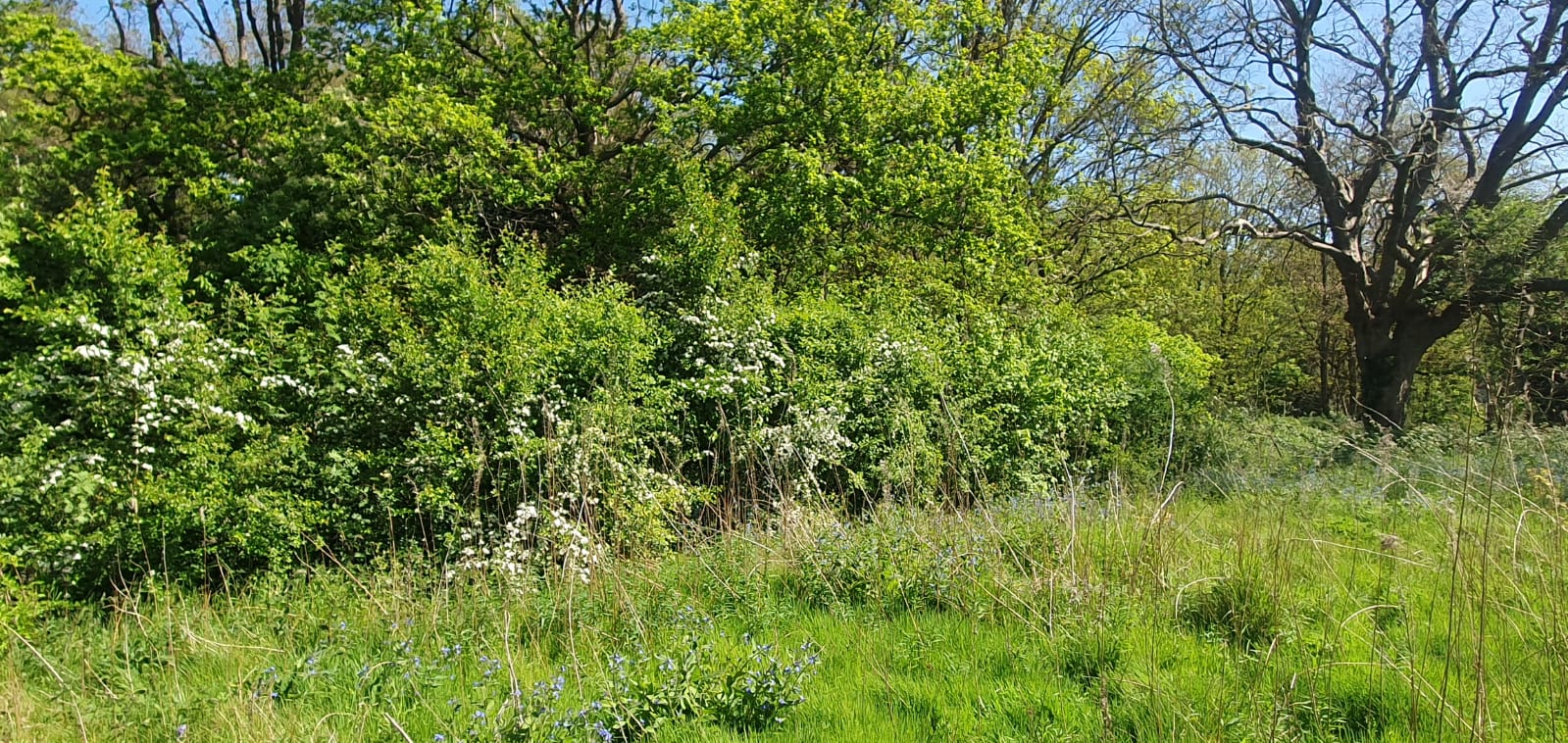
Around this time of year, our volunteers are busily working away to weed and mulch our hedges across the Common, making it a great opportunity to explore why hedgerows are so important and how we look after ours, writes our Senior Conservation Officer, Will Scott-Mends.
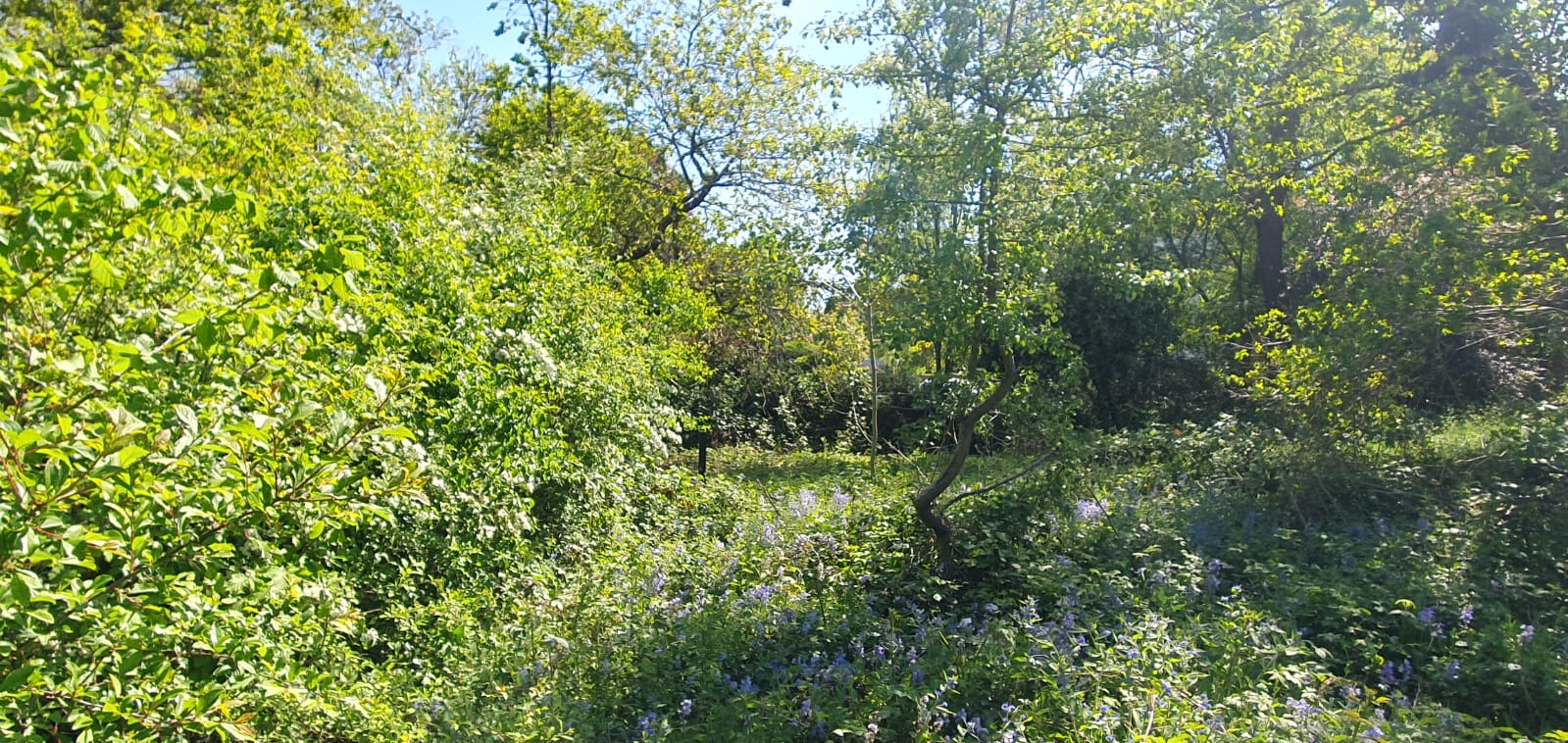
Since 2020, we have planted and maintained over 400 metres of hedging on Barnes Common. These hedges are comprised of a traditional mix of trees and shrubs, with the majority being Hawthorn, as it can handle the hot and dry conditions of the Common. Where possible, Blackthorn, Cherry Plum, Dog rose, Field Maple and Dogwood are added to increase diversity. Together, these plants create excellent habitat for local wildlife, providing nectar for pollinating insects, a bounty of fruits and nuts for birds and small mammals, and a dense, structured shelter for an incredibly wide range of species to move through our increasingly fragmented landscape.
To maximise these wildlife benefits, hedges must be carefully managed. The most intensive work comes in a hedge’s formative years and is largely carried out by our army of skilled volunteers. Newly planted whips are particularly vulnerable and require plenty of care to ensure successful establishment. Surrounding vegetation must be removed by hand to prevent excessive competition for light and water, and a thick layer of woodchip is added to suppress weed regrowth and improve soil conditions for the hedging plants.
During drought periods, our young hedges also require regular watering. Increasingly hot, dry summers caused by climate breakdown have made this especially important, with conservation staff ferrying bowsers of water to roadside planting areas. Although time-consuming, this early care is key to ensuring the success of the hedge.
Once established, their care becomes less intensive, but it must be remembered that hedges still require management, otherwise they will turn into a line of trees. Any cutting is carried out in winter, avoiding the bird nesting season, and we aim to maximise flowering and fruiting while creating a dense, bushy structure that offers the greatest benefit to wildlife, following the hedgerow management cycle.
It’s not only wildlife that benefits from hedges, but they also provide several advantages for people. Our roadside hedging captures particulates and pollutants from traffic, helping improve air quality for those walking on the Common. They can also help cool the surrounding area through shade and transpiration and mitigate flood risk by absorbing groundwater after heavy rainfall. Additionally, established hedging reduces noise and light pollution from the road, making the Common a quieter, more peaceful place and a little more welcoming for our nocturnal wildlife.
With continued care and a bit of patience, these fledgling hedges will go on to become a lasting feature of the Common, supporting wildlife on Barnes Common for decades to come.