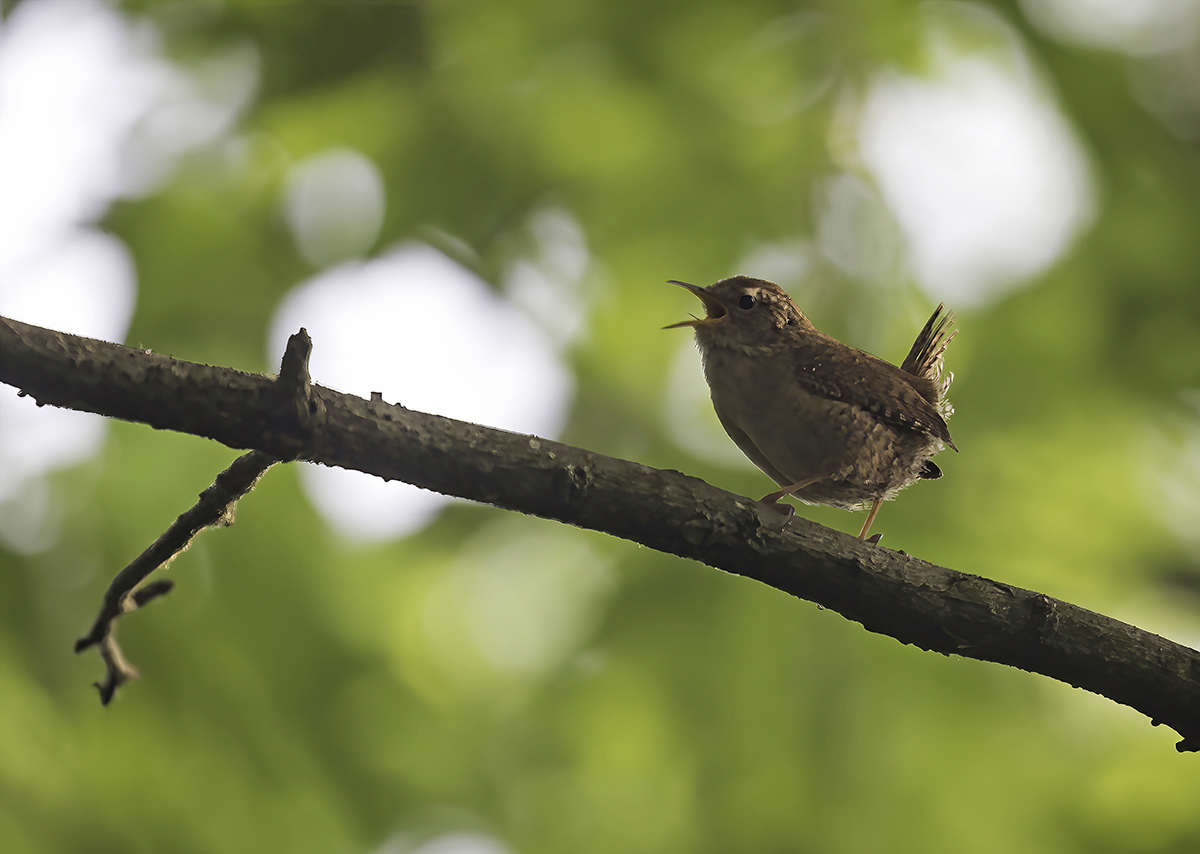
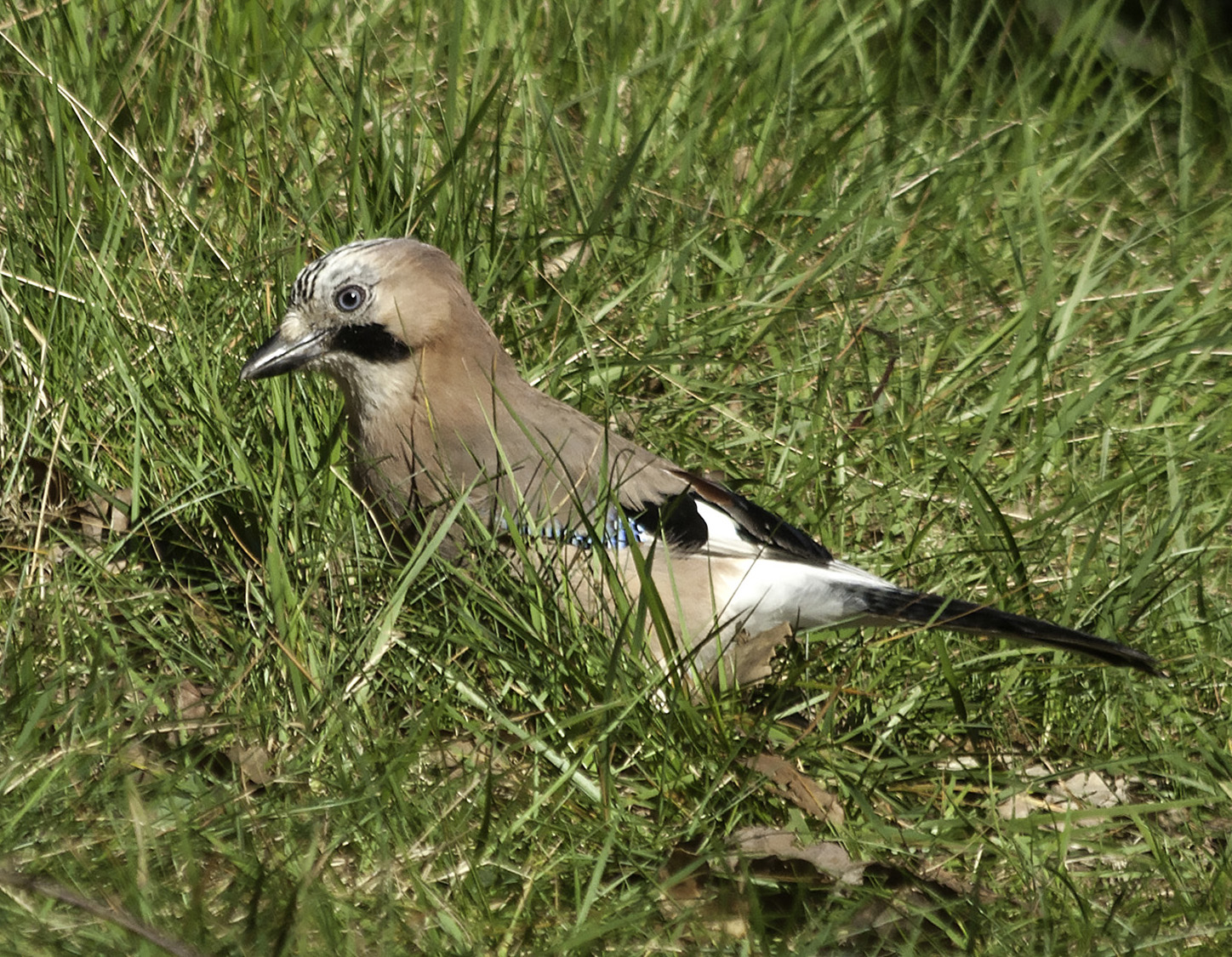
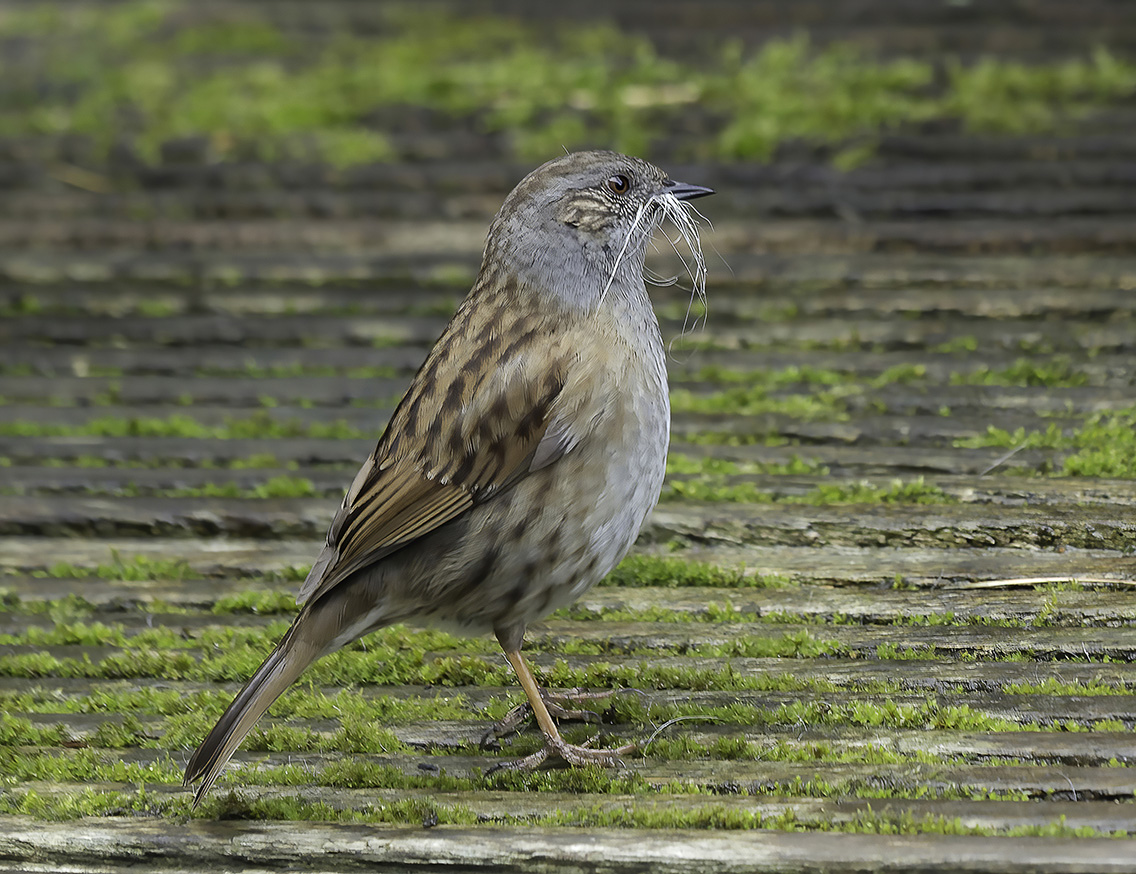
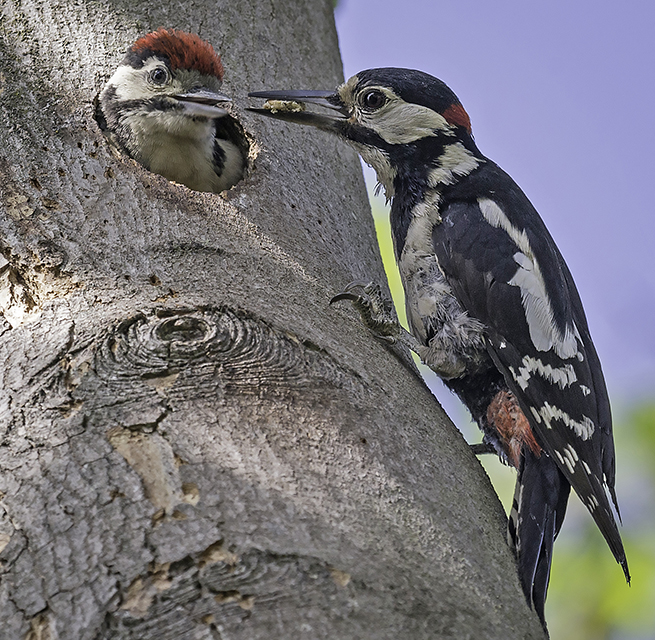
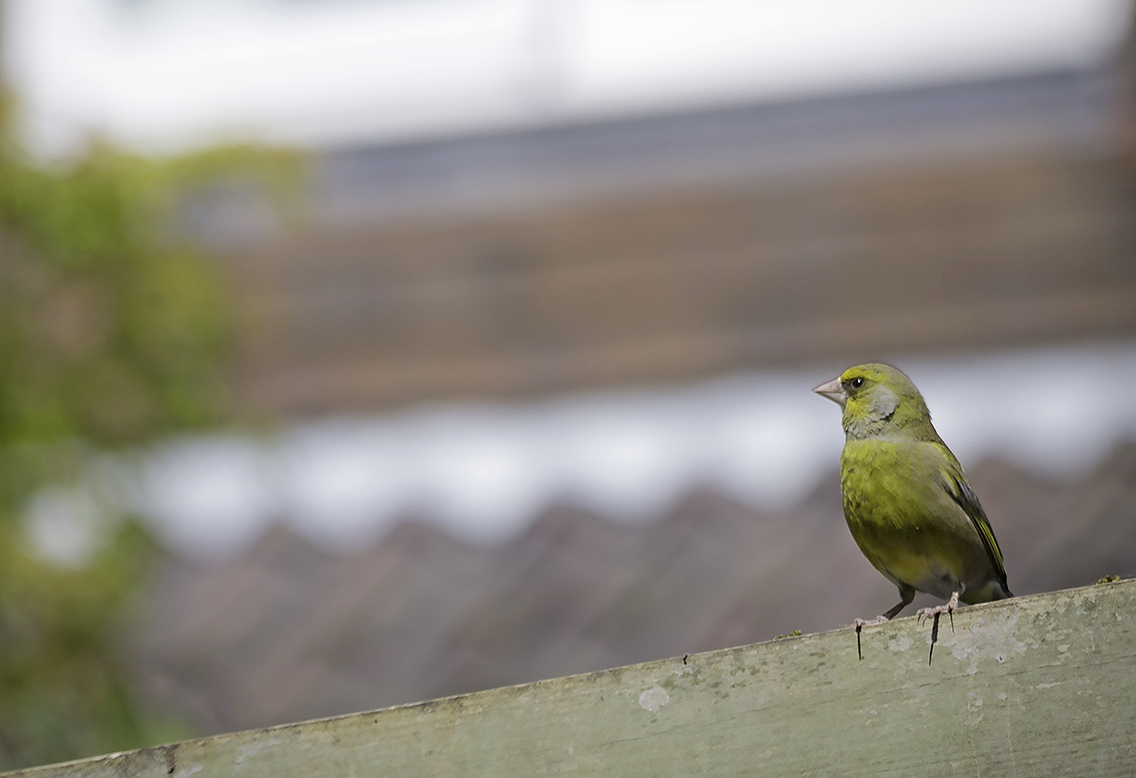
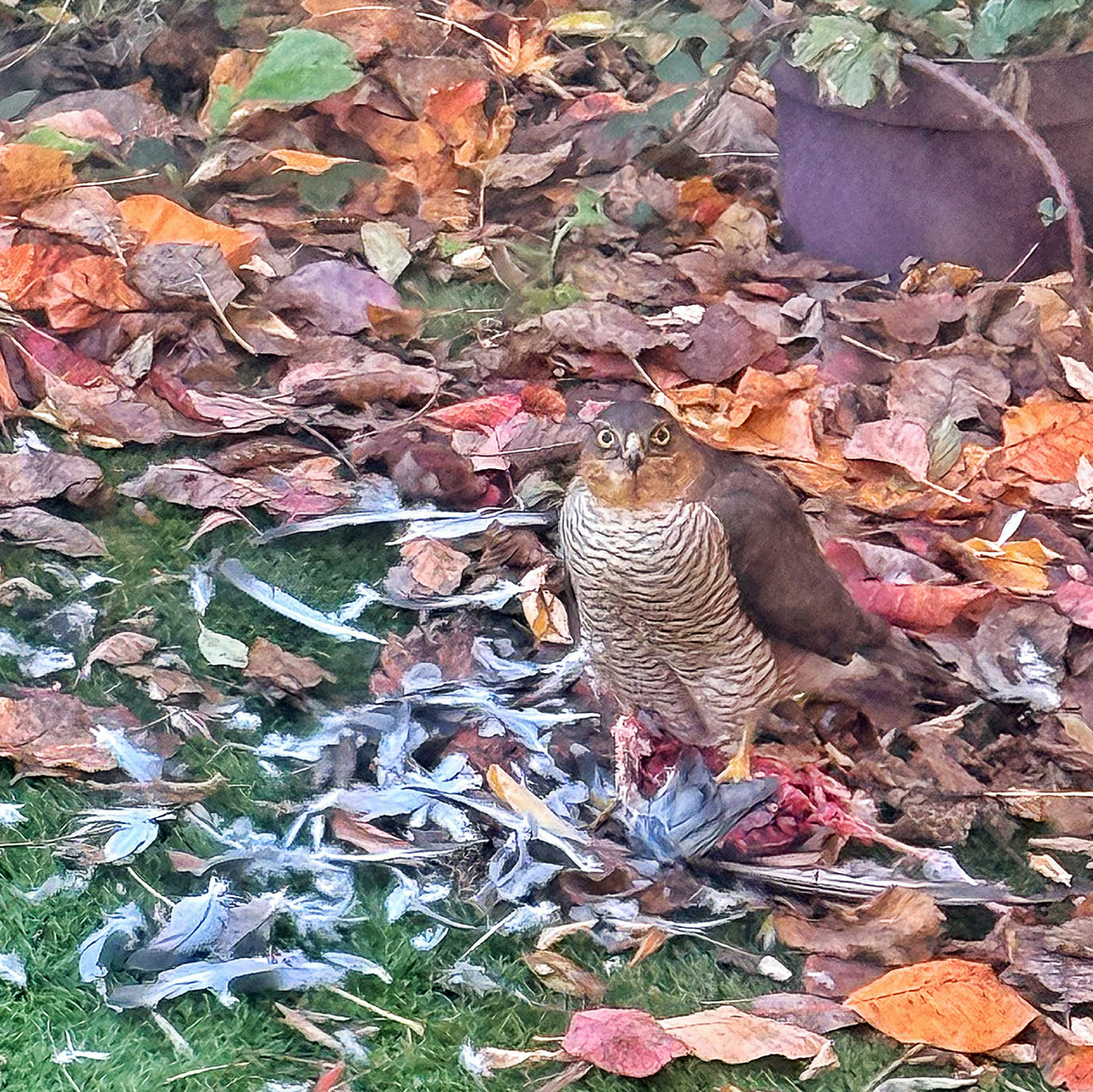
It’s always lovely to see wildlife thriving in the middle of winter, even in urban areas like ours. Make a conscious effort to spend some time birdwatching and you can not only improve your own mood but also help nature conservation. Take part in this year’s Big Garden Birdwatch and help the RSPB build a picture of how garden birds are faring.
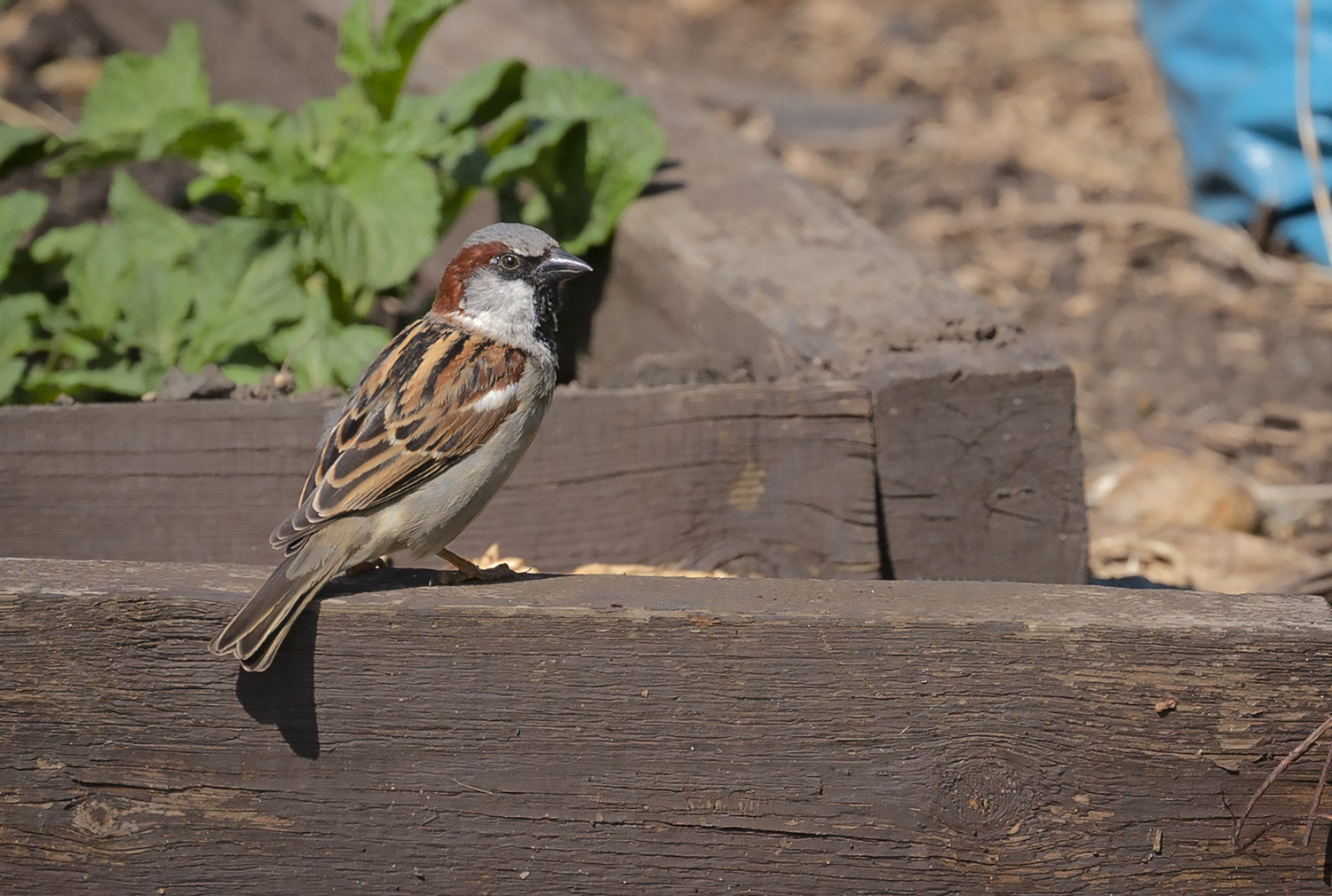
The Big Garden Birdwatch is the world’s largest garden wildlife survey according to the RSPB, and has been running since 1979. Last year over 590,000 people took part and counted a total of 9.1 million birds! Over the decades of the survey, bird counts have shown a huge drop: for example, last year’s number one bird, the House Sparrow, has shown a 60% decline in numbers since 1979.
Taking part in the survey is very easy, you just need to spend an hour this weekend watching birds in your chosen patch, and record the birds that land. You can do this in your own garden, in a park, in a nature reserve such as Barnes Common or the Leg O’Mutton, or you could even just watch your street tree from your kitchen window. This will add the benefit of easy access to tea and biscuits, very important perks of citizen science.
You can download a handy ID sheet from the RSPB website when you register to take part. Record the highest number of birds of one species that you see at any one time. Do the survey any time between 23-25 January. You can submit your sightings online before 22 February.
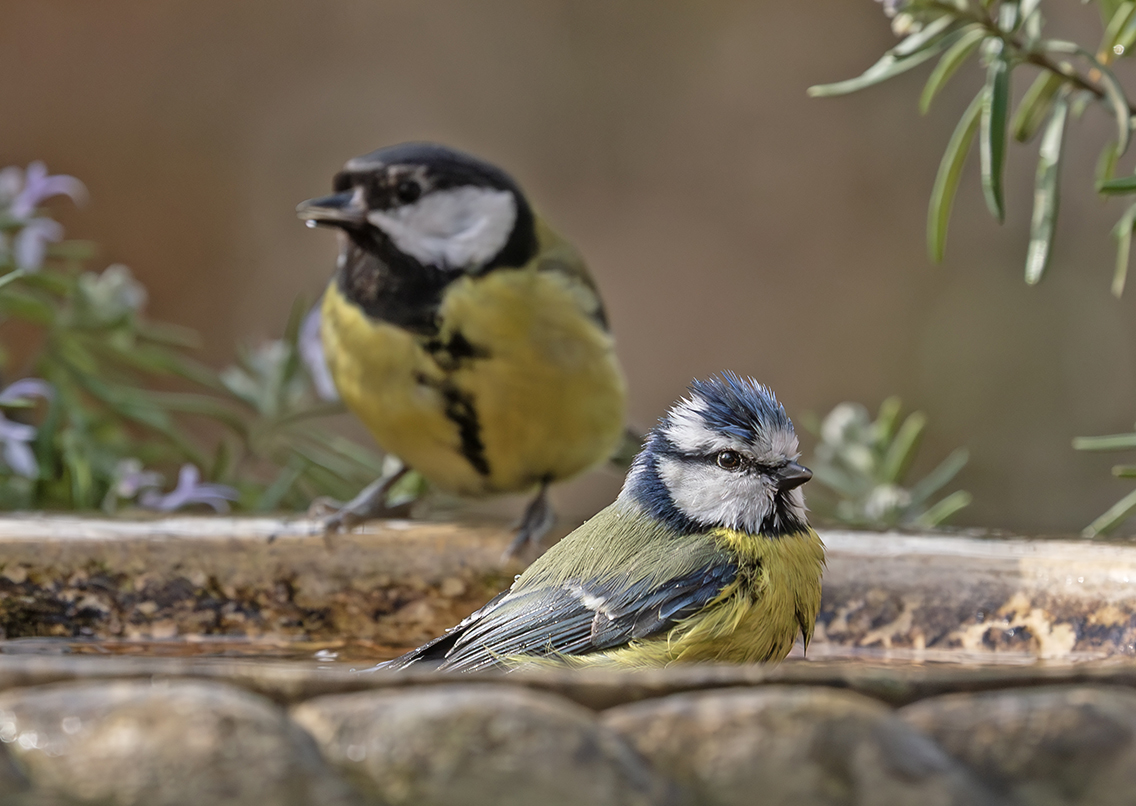
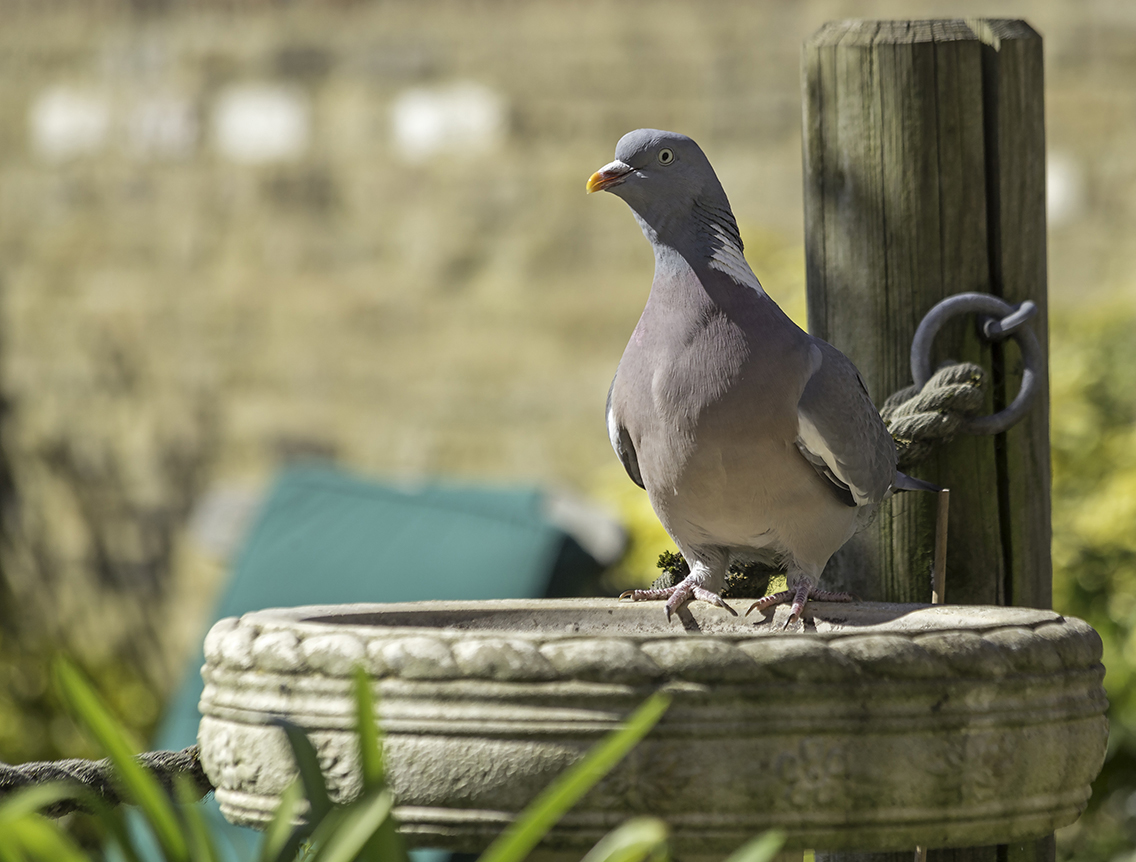
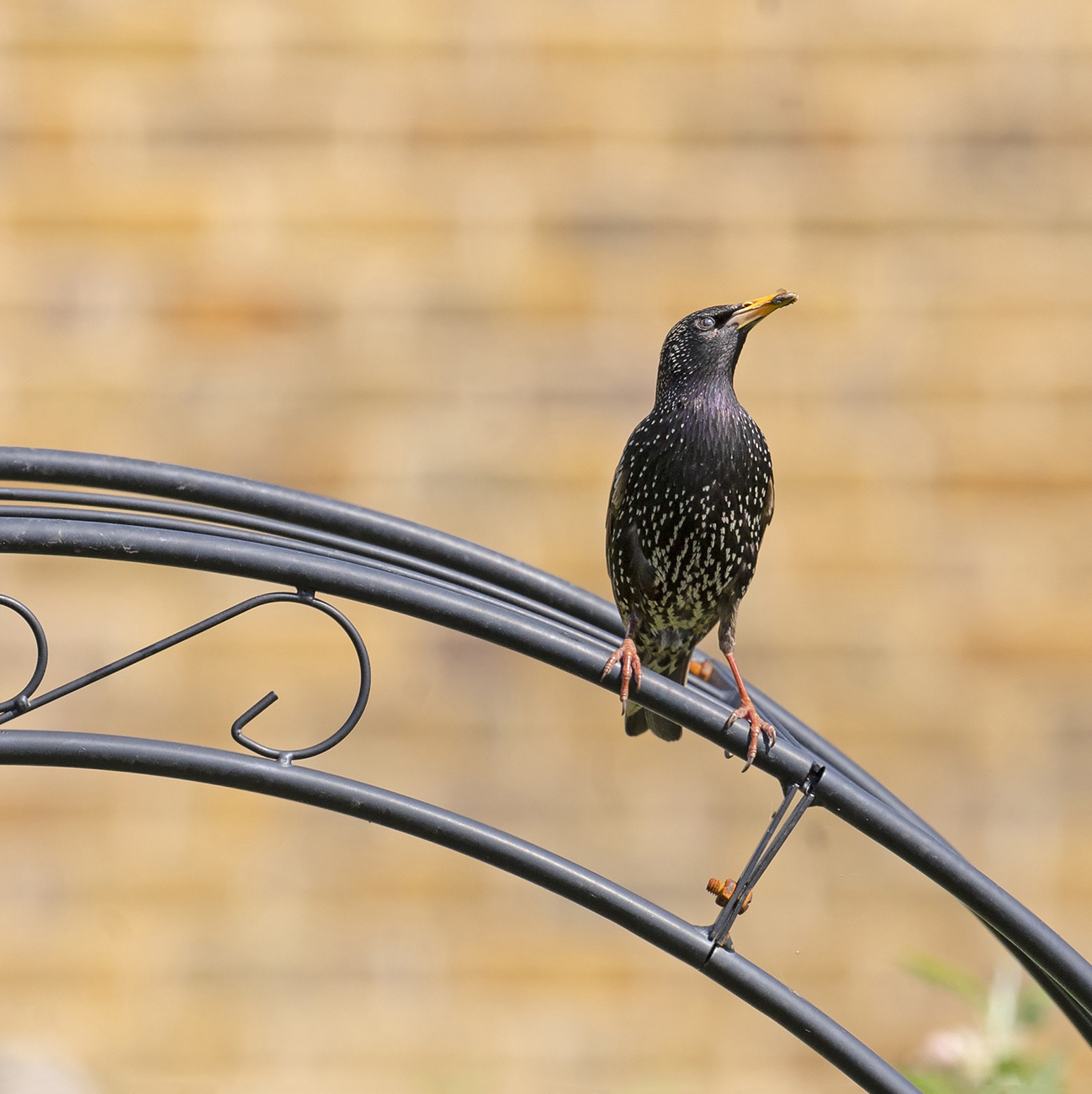
The most spotted birds last year were: House Sparrow, Blue Tit, Woodpigeon, Starling and Blackbird.
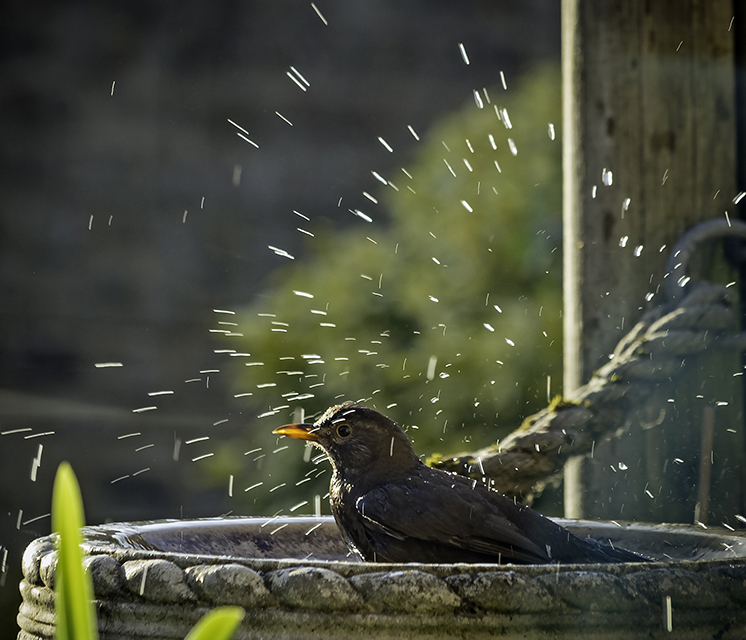
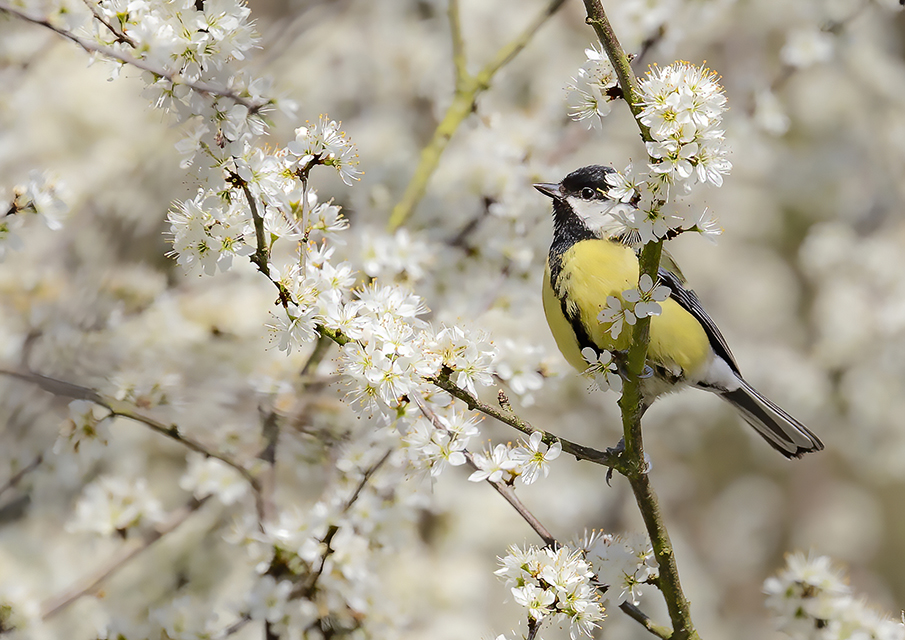
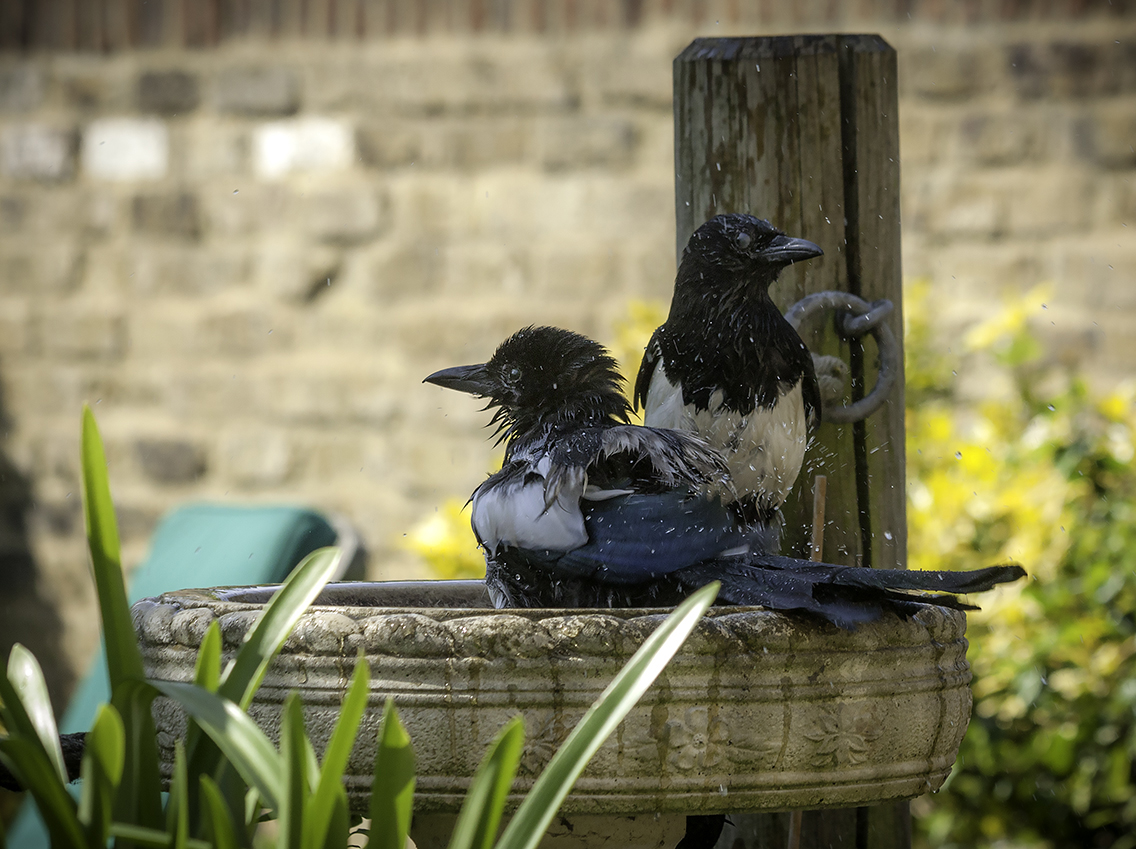
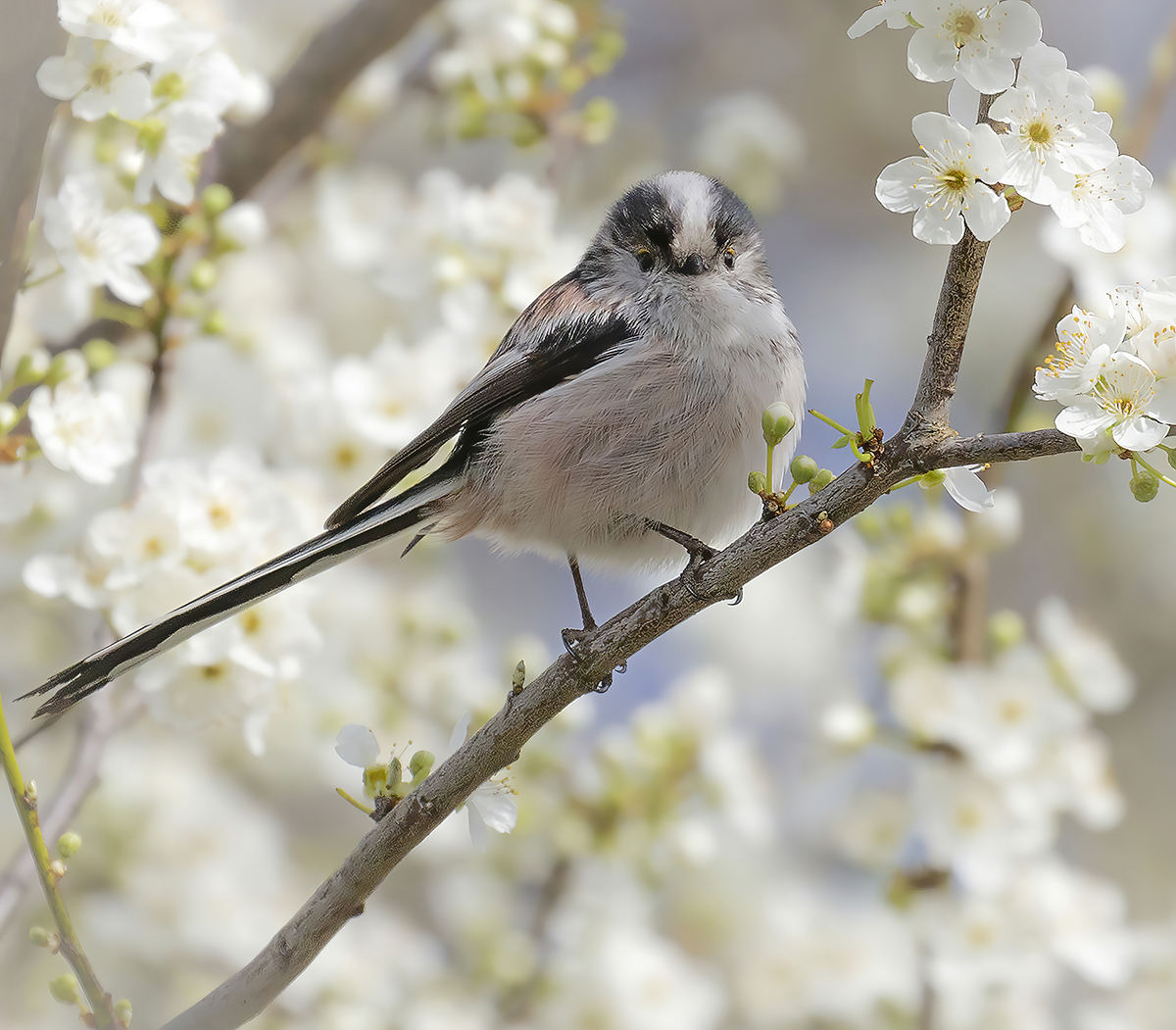
Local photographer and BCL volunteer Andrew Wilson has kindly shared his photos of some of the birds that visit his garden, Barnes Common and the Leg O’Mutton. Are you taking part in the survey this year? Share your sightings with us!