

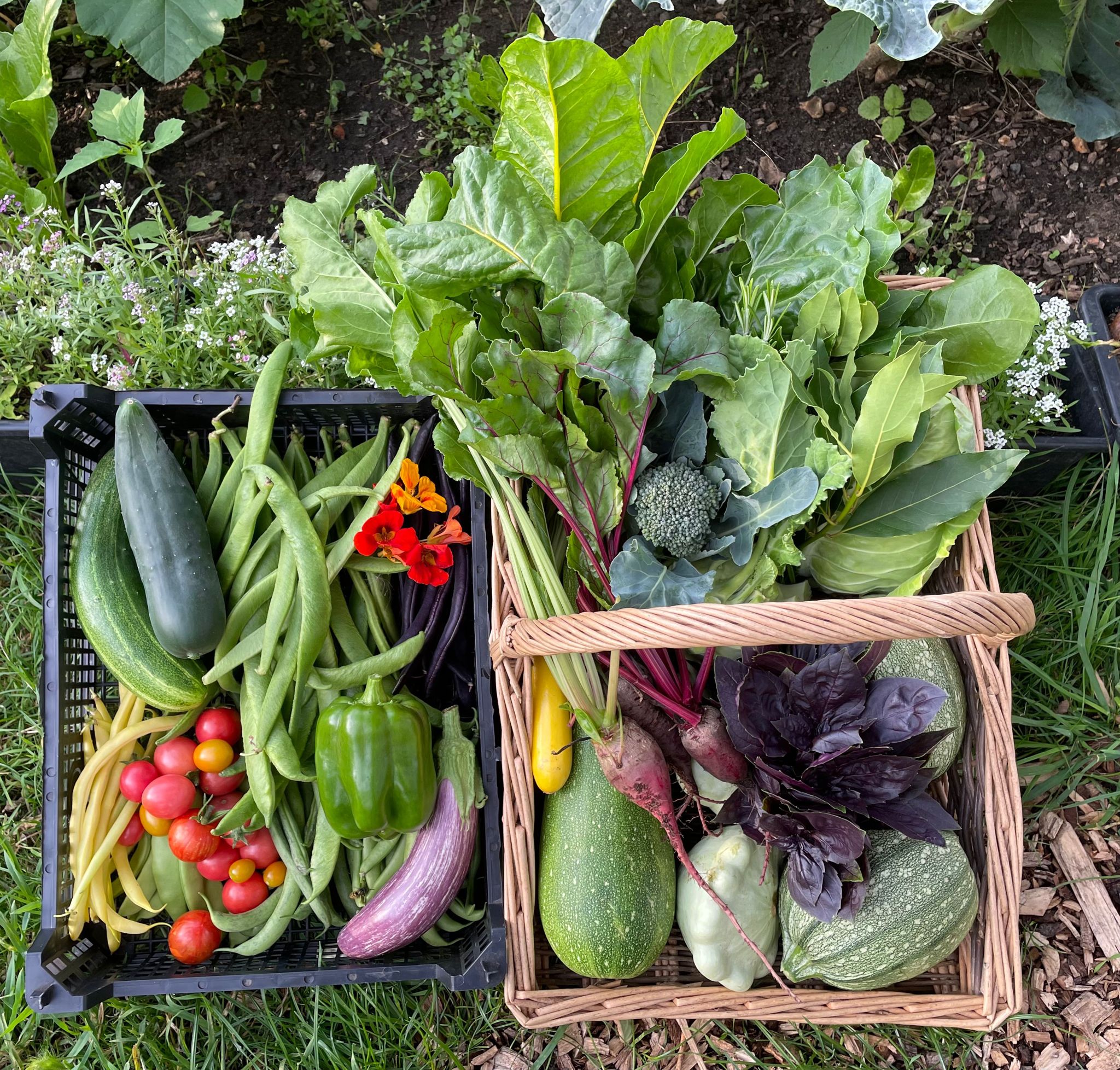
We were recently approached by a mum with a young toddler. She has moved into a house with a very overgrown garden, and she wants to clear some of it to grow veg. She dreams of a huge veg patch that reduces her reliance on the supermarket. However, she is time-poor and has never grown food before. So, she asked for a list of ‘top five’ vegetables that she can grow easily with her toddler to get her started. These are what we recommended…
1. Radish: radishes are one of the fastest growing vegetables out there, taking just 30 to 40 days to mature from seed. This makes them great for little people who can’t wait to see the fruits of their labours! Radishes can be sown from early spring through to summer, giving you a constant supply throughout the growing season. They also need very little space to grow, so even if only a small area of garden has been cleared, they can be squeezed in somewhere!
2. Tomatoes: a firm favourite, tomatoes are a satisfying crop to grow. They’re also great in terms of sustainability, as the tomatoes we buy are invariably flown in from abroad. Cordon tomatoes need staking and will require some maintenance throughout the season, but if they’re in a sunny spot, you’ll get a good crop. Bush tomatoes need slightly less care, but you tend to get a crop all at once rather than over several weeks.
3. Kale: Brassicas are notoriously tricky, but kale is the exception. As long as you give it some netting to protect it from birds and cabbage whites, you’ll get strong plants that last right through until the following spring. Greens are often sold in plastic in the supermarket, and quickly go past their best, whereas if you have a plant you can just pick what you need, reducing food waste. There are several varieties of perennial kale; these give you a great supply of leaves and help to reduce your carbon footprint even further.
4. Chillis: If life gets in the way and there isn’t time to clear space for a vegetable patch this spring, it’s still possible to grow a chilli plant. Chillis can be grown on a sunny windowsill or outdoors in a pot, and are a great option because you get so many fruits from one plant; many varieties produce 50 or more in a season. Chillis are another one of those veg that tend to be imported and wrapped in plastic, so it is an easy ‘swap’ to make.
5. Beans: bush beans or climbing beans, any will do! These are great to plant in the first year of a veg patch, because they fix nitrogen, adding to the soil’s fertility. They grow fast, need little maintenance and produce a great crop which can be frozen or preserved. Beans provide us with a sustainable, low-carbon protein source.
What are your recommendations for starting a veg patch? Get in touch to let us know!
Previous blogs:
How to tell what would grow well in my garden?
How can I source my plants ethically?
How do I grow my own cut flowers?
How can I enhance biodiversity in a small urban garden?
This is how gardening can help your wellbeing
How Can I Garden Without a Garden?
What is permaculture, and how can I apply it in my own garden?
How to Plant a Pollinator-Friendly Garden